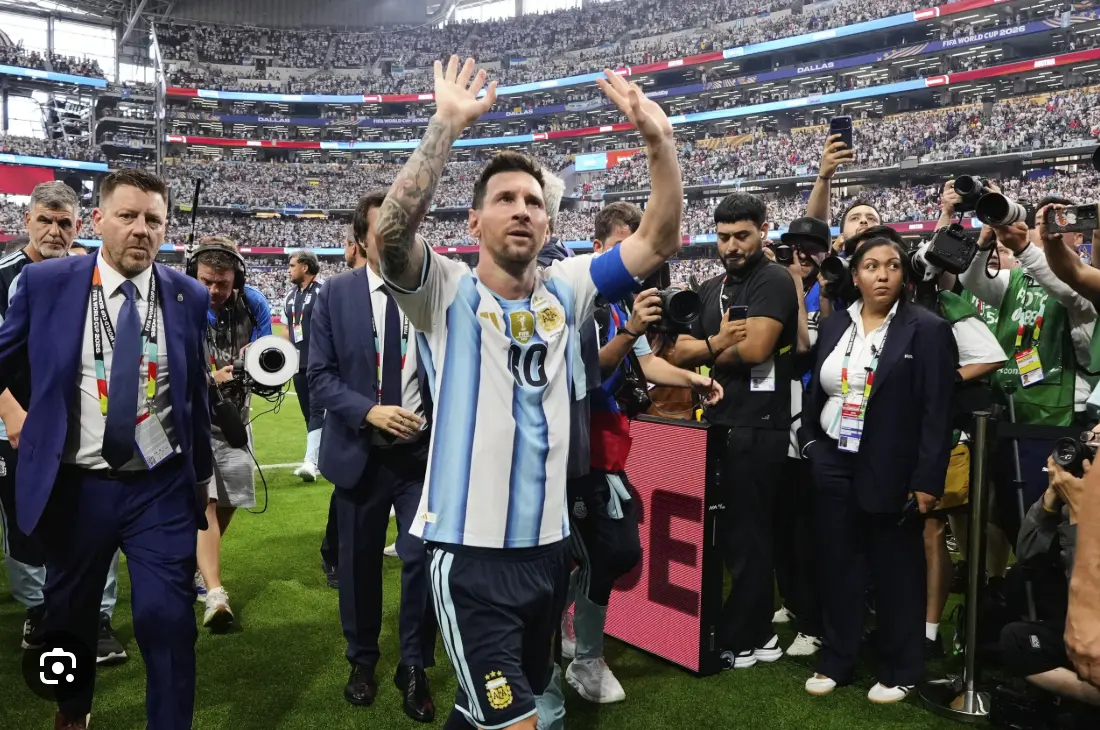
LATEST NEWS: After the World Cup match between Argentina and Austria, Lionel Messi addressed his missed first-half penalty while also reflecting on a strong performance that helped Argentina secure a 2-0 victory and advance to the next stage of the tournament. The Argentine captain’s comments quickly became part of wider football discussions, especially as fans and analysts reacted to both the miss and his response.
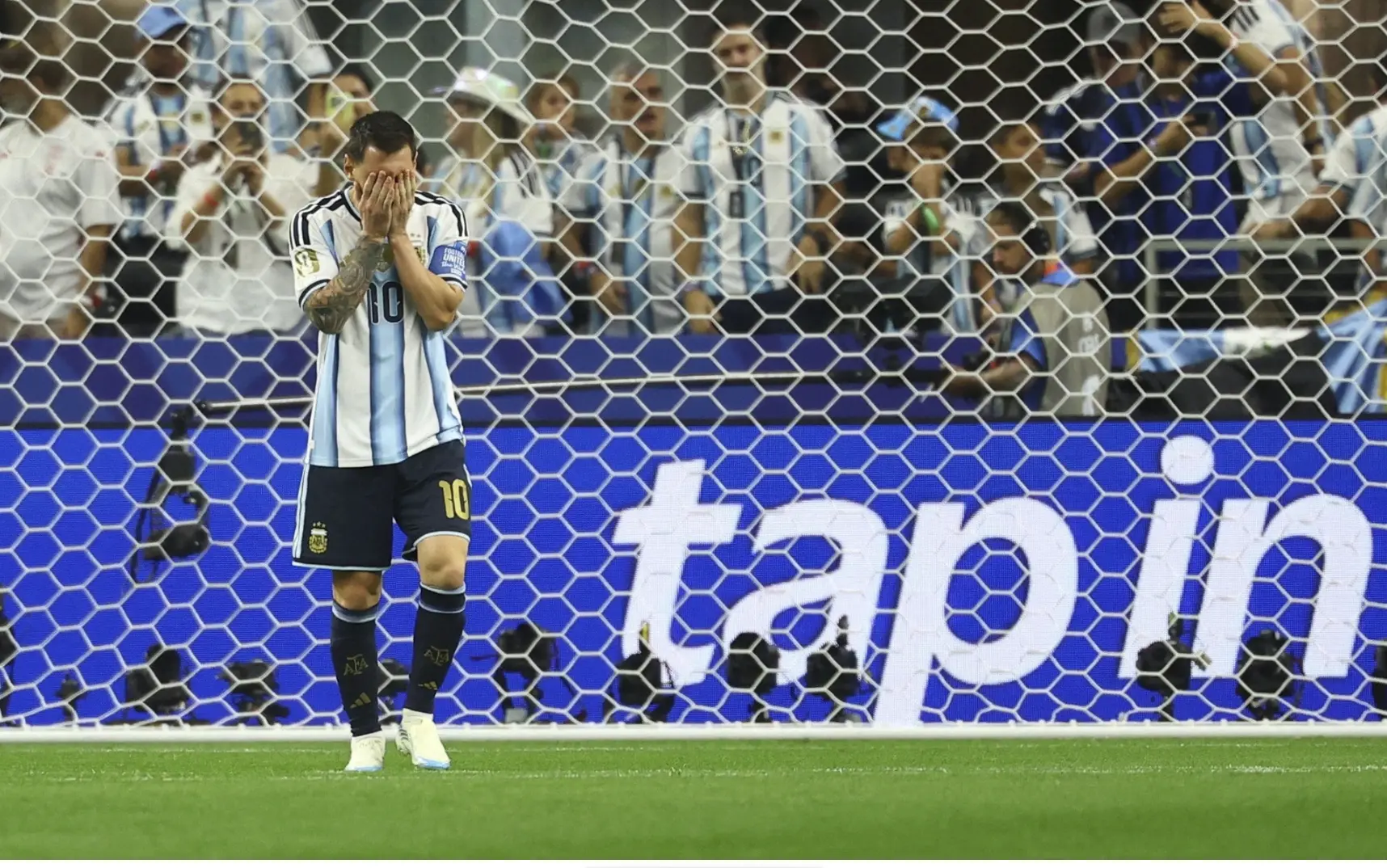
Penalty moments involving Messi have always attracted intense scrutiny due to his reputation as one of the most reliable finishers in football history. When such moments do not go as expected, they tend to generate immediate discussion across media platforms and fan communities. In this case, the missed penalty became an early talking point, even though Argentina ultimately controlled the match and secured victory.
Despite the setback, Argentina maintained composure and gradually regained control of the game. The team’s structure allowed them to respond quickly after the missed opportunity, shifting momentum back in their favor through sustained attacking pressure. This resilience has become a defining feature of Argentina’s recent tournament performances.
Messi remained heavily involved in Argentina’s attacking play, continuing to influence the rhythm of the match with his passing and movement. His presence created space for teammates and helped unlock Austria’s defensive organization at key moments. Eventually, Argentina found the goals needed to secure a comfortable 2-0 win.
Post-match discussions naturally focused on Messi’s reaction to the missed penalty and his overall performance. In reflecting on the moment, he emphasized the unpredictability of football and the importance of continuing to push forward. He was also reported to have added a striking remark: “If I had scored the penalty, I might not have ended up scoring a brace.”
That statement quickly became one of the most discussed elements of the post-match narrative. Fans interpreted it as a reflection of Messi’s calm mentality, where even setbacks are reframed as part of a larger positive outcome. Others saw it as an example of how experienced players process high-pressure situations with a different perspective.
Social media platforms immediately picked up on the comment, with debates emerging around both the missed penalty and his eventual impact on the game. Some fans focused on the initial disappointment, while others highlighted the fact that he still finished the match as one of the decisive figures in Argentina’s victory. The contrast between criticism and admiration once again surrounded his performance.
Analysts noted that the psychological aspect of the match played a significant role in Argentina’s response. Missing a penalty early in a high-stakes game can often shift momentum negatively, but Argentina managed to stabilize quickly and regain control. This ability to reset mentally was seen as one of the key reasons for their eventual success.
Messi’s influence after the missed penalty became even more important as the match progressed. His movement between lines and ability to connect midfield and attack allowed Argentina to maintain offensive pressure. Even without constant scoring chances, his presence remained a tactical advantage throughout the game.
Austria’s defensive structure initially held firm, but repeated pressure eventually created gaps that Argentina was able to exploit. The match gradually shifted in tempo, with Argentina increasing control in possession and territory. This change in rhythm played a major role in the final outcome.
Supporters highlighted that Messi’s performance should not be judged solely on the missed penalty. Instead, many pointed to his overall contribution to the team’s attacking flow and his ability to remain influential under pressure. This broader view helped balance early reactions that focused only on the missed opportunity.
The coaching staff also emphasized collective resilience after the match. Recovering from missed chances is often a sign of a mature team, especially in tournament environments where margins are extremely small. Argentina’s ability to stay composed reflected their growing experience in high-pressure competitions.
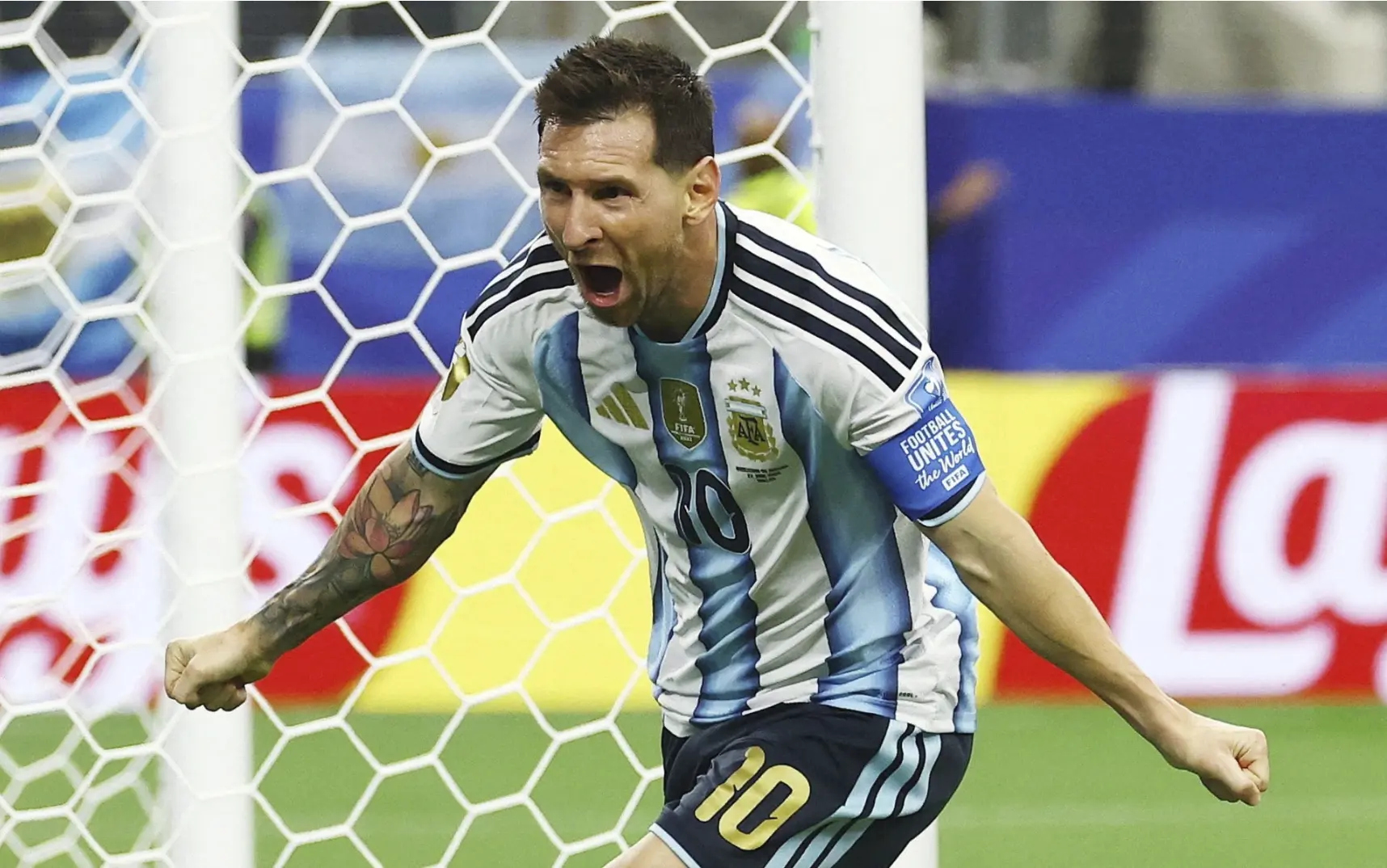
As the match analysis continued, attention shifted toward Argentina’s tactical adaptability. The team showed flexibility in adjusting their attacking approach after the missed penalty, increasing tempo and widening attacking options. This adaptability allowed them to break down Austria’s defensive shape later in the game.
Messi’s leadership was once again highlighted as a stabilizing factor for the squad. Even when facing setbacks, his presence on the pitch helps maintain confidence and direction among teammates. This intangible influence is often cited as one of his most valuable contributions beyond goals and assists.
Fans also revisited previous matches where Messi had responded strongly after setbacks. This pattern has become familiar throughout his international career, where moments of disappointment are often followed by decisive performances. It reinforces the perception of his mental strength in crucial situations.
The discussion around the penalty also raised broader questions about how modern football narratives are formed. A single moment can dominate headlines, even when the final result tells a different story. In this case, Argentina’s victory ultimately rebalanced the conversation.
Austria, despite the defeat, were praised for their disciplined defensive performance in the early stages of the match. Their ability to contain Argentina for long periods demonstrated tactical organization, even if they eventually conceded. This added context helped explain why the game was more competitive than the final score suggests.
Messi’s ability to remain influential throughout different phases of the match continued to stand out. Whether through direct goal contributions or indirect involvement in buildup play, his impact remained consistent. This versatility is one reason he continues to be central to Argentina’s strategy.
As Argentina progresses in the tournament, matches like this are often viewed as important psychological tests. Overcoming setbacks within a game builds confidence for future challenges. The response after the missed penalty may therefore be seen as a key moment in their campaign.
Ultimately, the match reinforced the idea that football outcomes are shaped by more than isolated incidents. While the missed penalty attracted attention, the final result and overall performance carried greater significance. Argentina’s ability to respond and secure victory defined the true narrative of the game.
Messi’s reflection, especially the remark “If I had scored the penalty, I might not have ended up scoring a brace,” added a philosophical layer to the post-match discussion. It encapsulated the unpredictability of football, where a single moment can lead to completely different outcomes. That perspective is part of what continues to make his presence in the sport so compelling.
In the end, the story of the match was not about a missed penalty, but about recovery, adaptation, and impact. Messi once again played a central role in shaping that story, both through his actions on the pitch and his interpretation of events afterward. For Argentina, it was another step forward in a tournament defined by resilience and collective strength.